


















NFL faces growing pressure after Supreme Court backs Brian Flores fight over alleged racial discrimination and unfair hiring
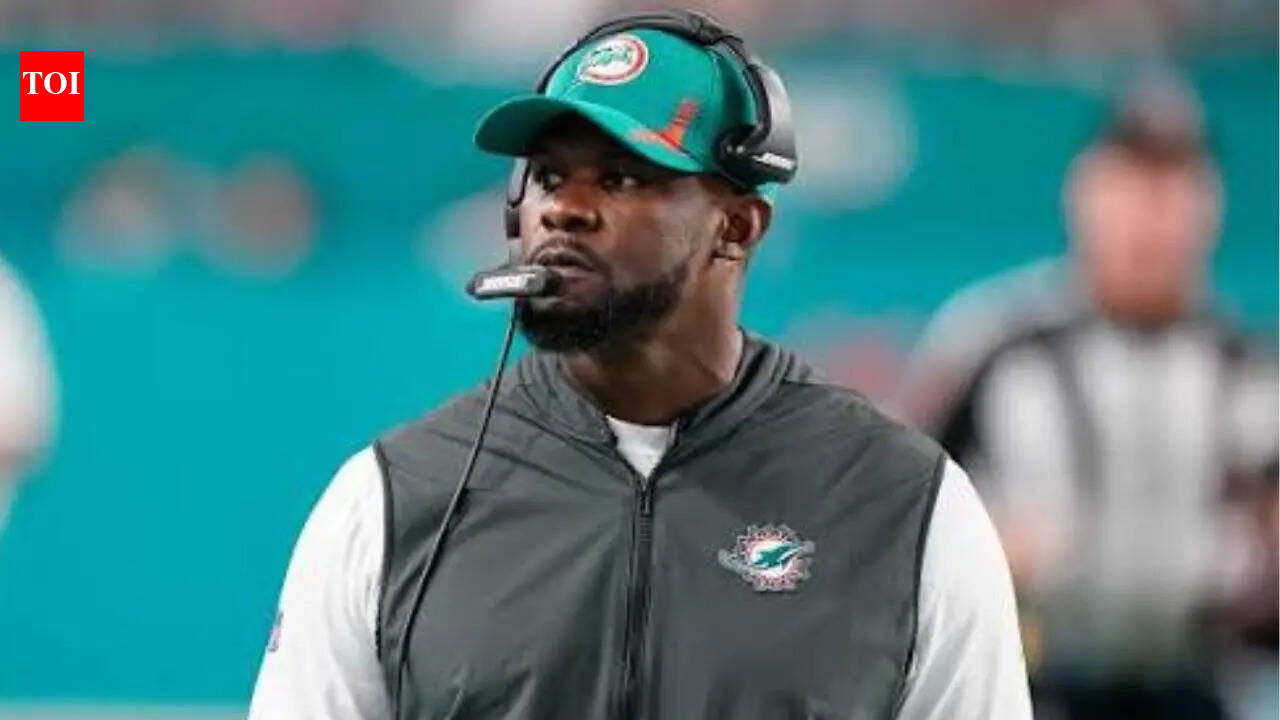
The Supreme Court’s decision to decline to review the NFL’s appeal in Brian Flores’ racial discrimination case marks a significant development in the ongoing legal battle between the former head coach and three NFL teams. Flores, who served as the head coach of the Miami Dolphins before being fired in January 2022, filed a lawsuit against the Dolphins, New York Giants, and Denver Broncos, alleging that he was subjected to racial discrimination and unfair treatment during coaching decisions.
The lawsuit, which was filed in federal court in New York, alleges that Flores was passed over for coaching opportunities because of his race. Flores, who is Black, claims that he was not given fair consideration for head coaching positions with the Dolphins, Giants, and Broncos, despite his qualifications and success as a coach. Flores also alleges that he was subjected to a hostile work environment and retaliation for speaking out against racial discrimination within the NFL.
The Supreme Court’s decision to allow Flores’ lawsuit to continue in court is a significant victory for the former head coach and a major blow to the NFL and the teams named in the lawsuit. The decision means that Flores will have the opportunity to present his case in court and seek justice for the alleged discrimination and mistreatment he suffered.
The implications of the Supreme Court’s decision are far-reaching and could have a significant impact on diversity and inclusion within the NFL and professional sports more broadly. The case has already sparked a national conversation about racial discrimination in coaching decisions and the lack of diversity in leadership positions within the NFL.
Flores’ case has also drawn attention to the challenges faced by Black coaches and other minority coaches in the NFL. Despite making up the majority of players in the league, Black coaches are severely underrepresented in head coaching positions. Flores’ case has shed light on the systemic barriers that prevent qualified minority coaches from advancing in their careers and has raised important questions about the NFL’s commitment to diversity and inclusion.
The decision to decline to review the NFL’s appeal in Flores’ case sends a powerful message that discrimination and mistreatment will not be tolerated in the NFL. It also underscores the importance of holding powerful institutions accountable for their actions and ensuring that all individuals are treated fairly and equitably.
In light of the Supreme Court’s decision, the NFL and the teams named in the lawsuit will now have to defend themselves against Flores’ allegations in court. This will likely involve a lengthy legal battle, during which both sides will present evidence and arguments to support their positions.
For Flores, the decision to allow his lawsuit to continue represents a step towards vindication and justice. It gives him the opportunity to have his day in court and seek redress for the harm he alleges he suffered as a result of racial discrimination within the NFL.
The Supreme Court’s decision also has broader implications for the NFL and other professional sports leagues. It serves as a reminder that no organization is above the law and that all individuals, regardless of their race or background, are entitled to fair treatment in the workplace.
Moving forward, the NFL and its teams will likely face increased scrutiny and pressure to address issues of racial discrimination and diversity within their organizations. The outcome of Flores’ case could have a lasting impact on the league and prompt meaningful changes to ensure that all coaches and employees are treated fairly and equitably.
In conclusion, the Supreme Court’s decision to decline to review the NFL’s appeal in Brian Flores’ racial discrimination case is a significant moment in the ongoing fight for equality and justice within the NFL. It represents a victory for Flores and a step towards holding the league and its teams accountable for their actions. As the case moves forward in court, it will continue to shine a spotlight on issues of racial discrimination and diversity within the NFL and prompt important conversations about how to create a more inclusive and equitable workplace for all individuals.
Source: The Times of India



















 LIVE
LIVE LIVE
LIVE